Optimal Timing for Wood Flooring Repairs
Timing plays a crucial role in the effectiveness and longevity of wood flooring repairs. The optimal period depends on environmental conditions, flooring usage, and seasonal factors. Proper timing ensures that repairs are durable and that the flooring maintains its appearance over time.
Spring and fall are ideal for repairs due to moderate humidity levels, reducing the risk of wood expansion or contraction.
Perform repairs when indoor humidity is between 35-55% and temperatures are stable to prevent future issues.
Schedule repairs during periods of low foot traffic to minimize disruption and allow proper curing.
Newly installed flooring should be given time to settle before repairs are attempted, typically after the first few months.
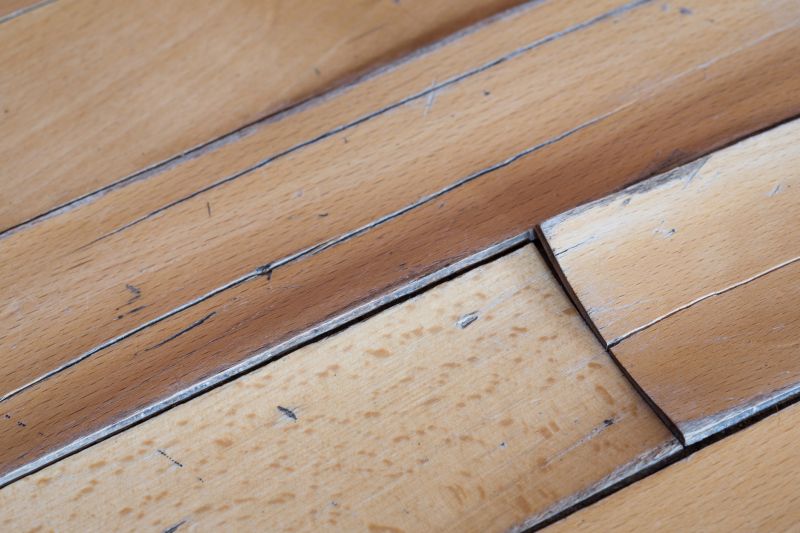
Ways to make Wood Flooring Repairs work in tight or awkward layouts.
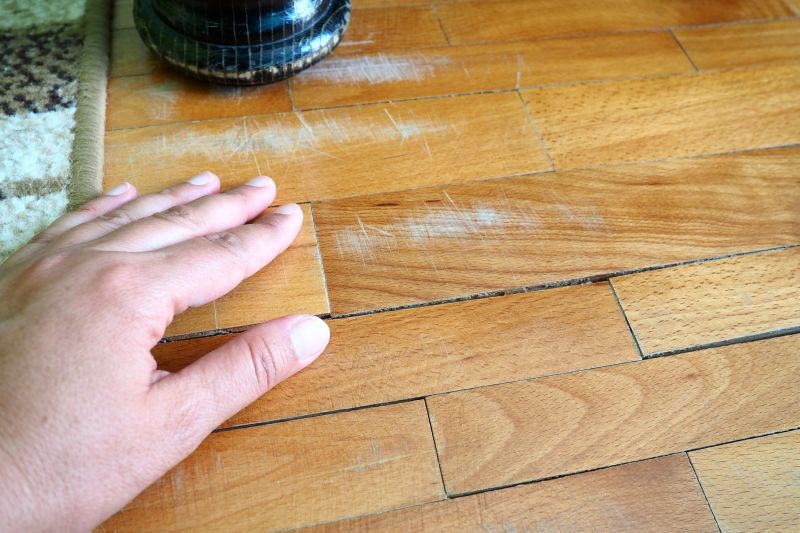
Popular materials for Wood Flooring Repairs and why they hold up over time.
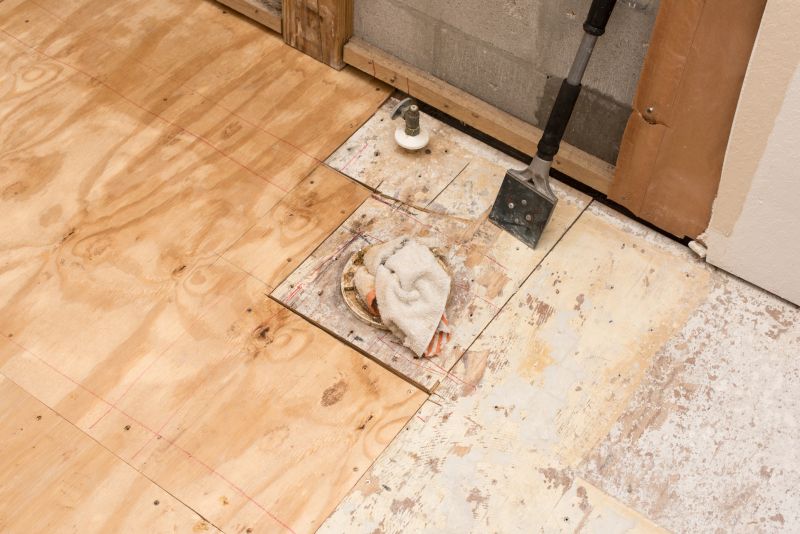
Simple add-ons that improve Wood Flooring Repairs without blowing the budget.
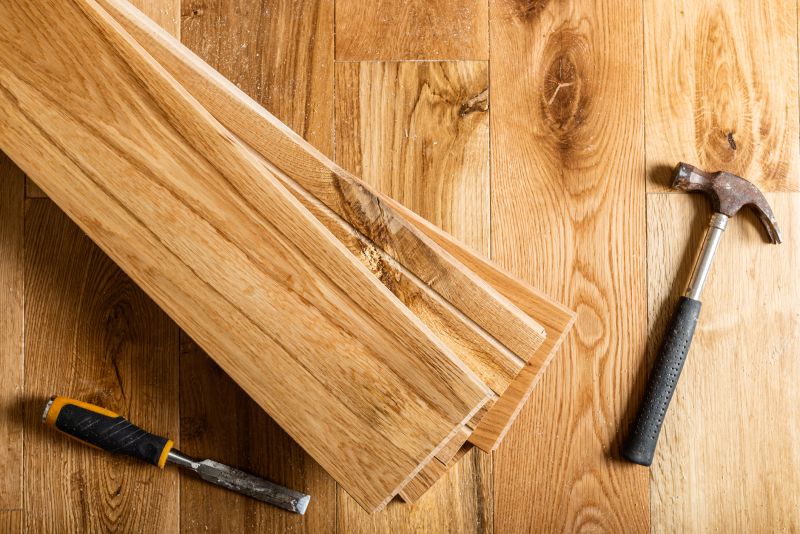
High-end options that actually feel worth it for Wood Flooring Repairs.
Wood flooring repairs involve addressing issues such as scratches, dents, gaps, and warping. Proper timing ensures that repairs are effective, preventing further damage and maintaining the floor’s aesthetic appeal. Seasonal changes can impact wood behavior, making timing essential for successful repairs.
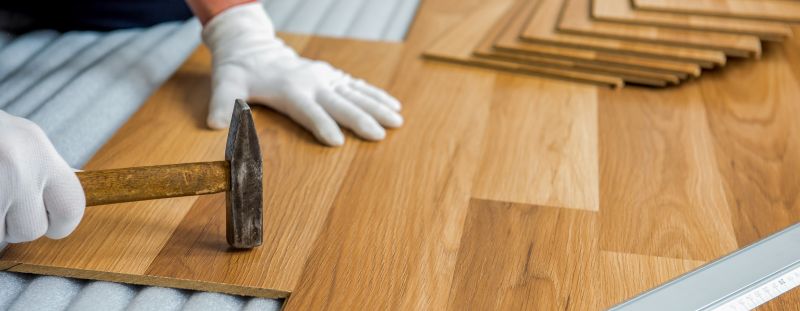
Finishes and colors that play nicely with Wood Flooring Repairs.
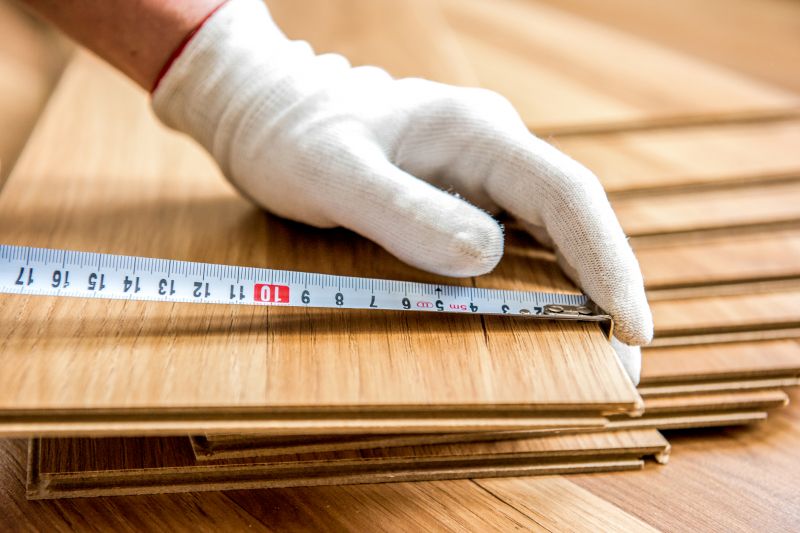
Little measurements that prevent headaches on Wood Flooring Repairs day.
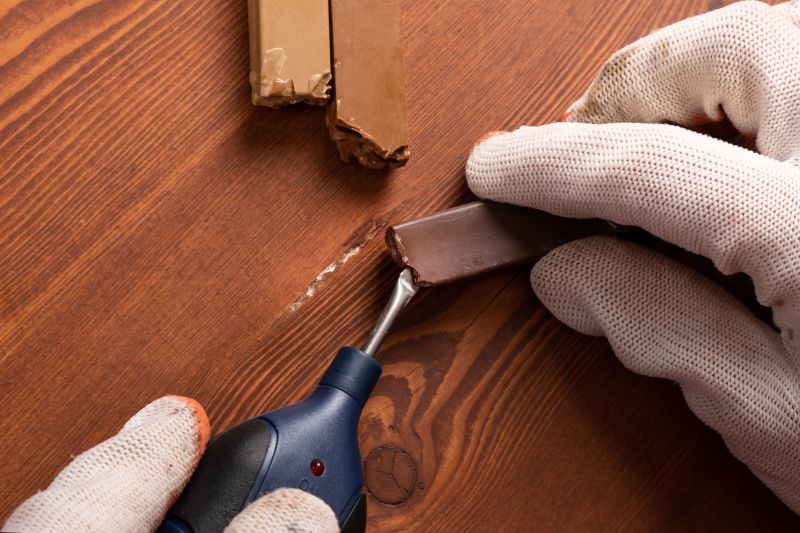
A 60-second routine that keeps Wood Flooring Repairs looking new.
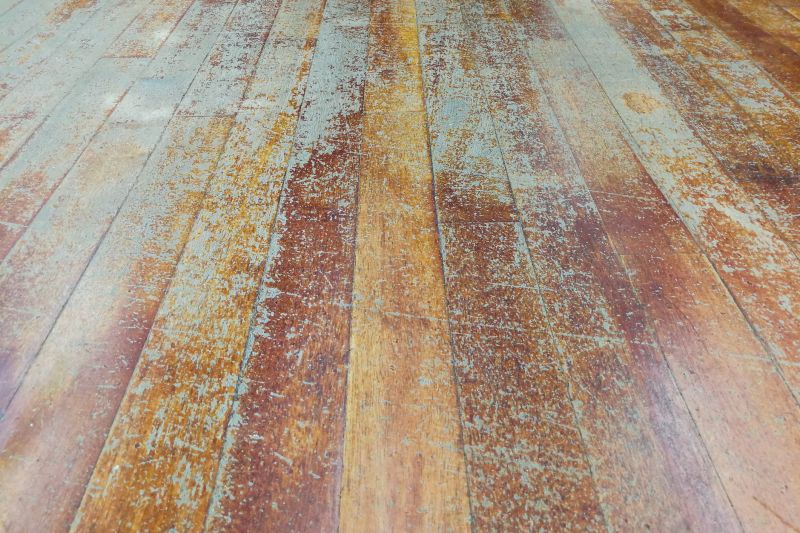
A frequent mistake in Wood Flooring Repairs and how to dodge it.
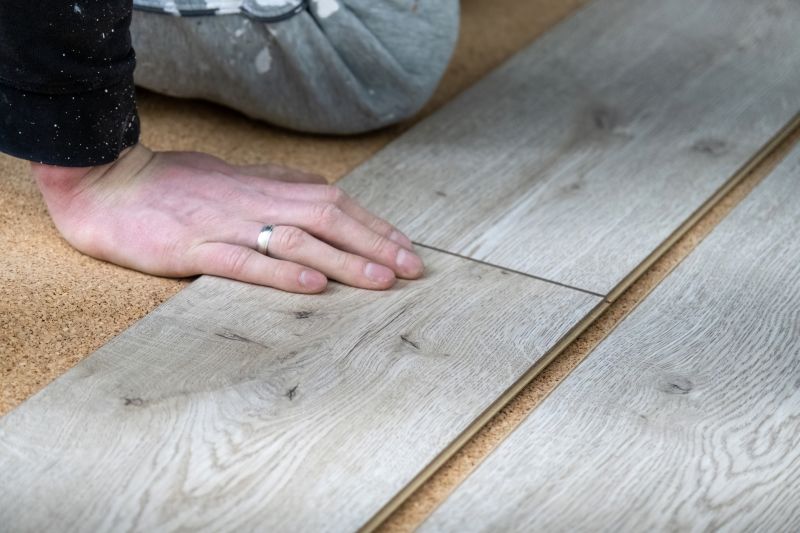
Small tweaks to make Wood Flooring Repairs safer and easier to use.
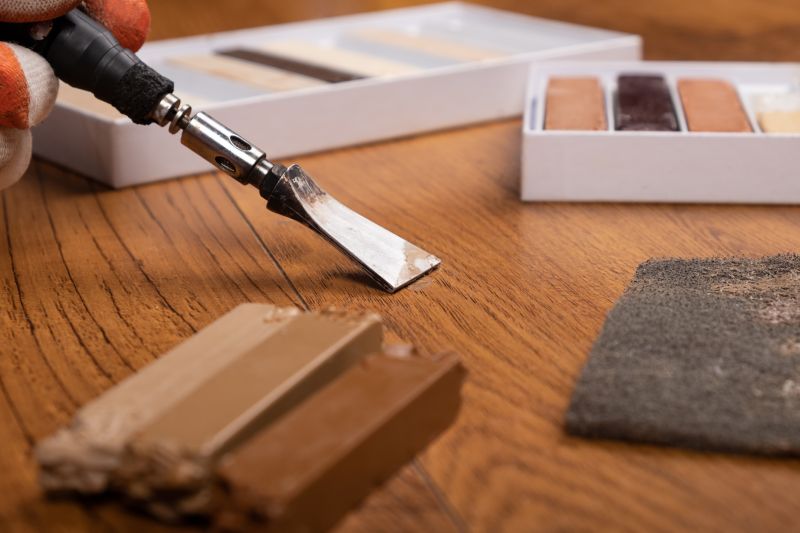
Lower-waste or water-saving choices for Wood Flooring Repairs.
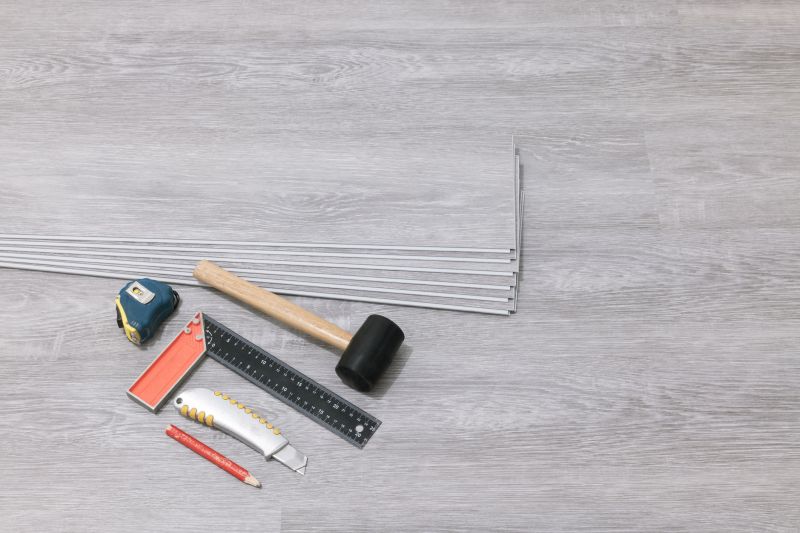
The short, realistic tool list for quality Wood Flooring Repairs.
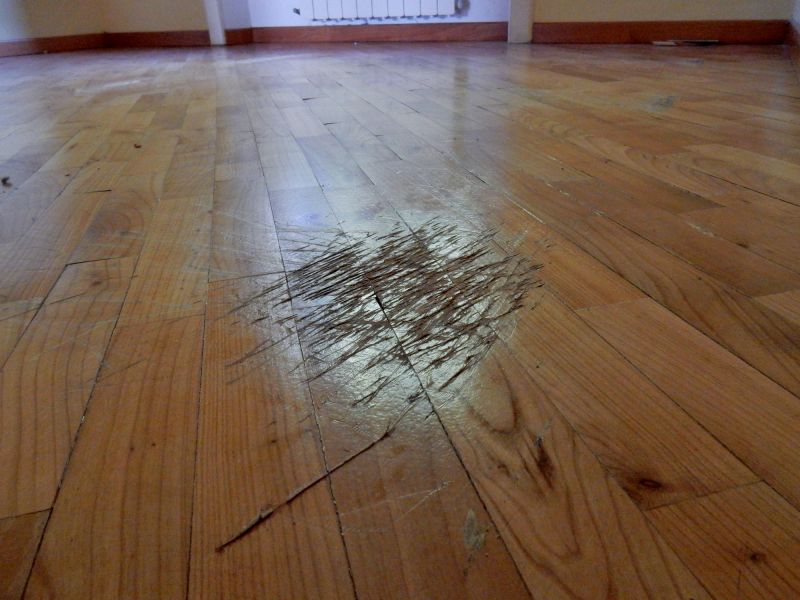
Rough timing from prep to clean-up for Wood Flooring Repairs.
| Timing Aspect | Details |
|---|---|
| Season | Spring and fall offer ideal conditions with moderate humidity. |
| Humidity Levels | Maintain indoor humidity between 35-55% for best results. |
| Temperature Stability | Ensure consistent temperatures to prevent wood movement. |
| Usage Levels | Schedule during low foot traffic periods for minimal disruption. |
| Post-Installation | Allow new flooring to settle before repairs, typically after several months. |
| Avoid High Humidity | Refrain from repairs during summer months with high humidity. |
| Environmental Conditions | Check weather forecasts to avoid extreme conditions. |
Choosing the right time for wood flooring repairs is essential for ensuring long-lasting results. Environmental factors such as humidity and temperature significantly influence the success of repairs. Proper planning and timing help prevent issues like wood swelling, shrinking, or warping, which can compromise the repair work and the flooring’s appearance.

Quick checks and paperwork to keep after Wood Flooring Repairs.
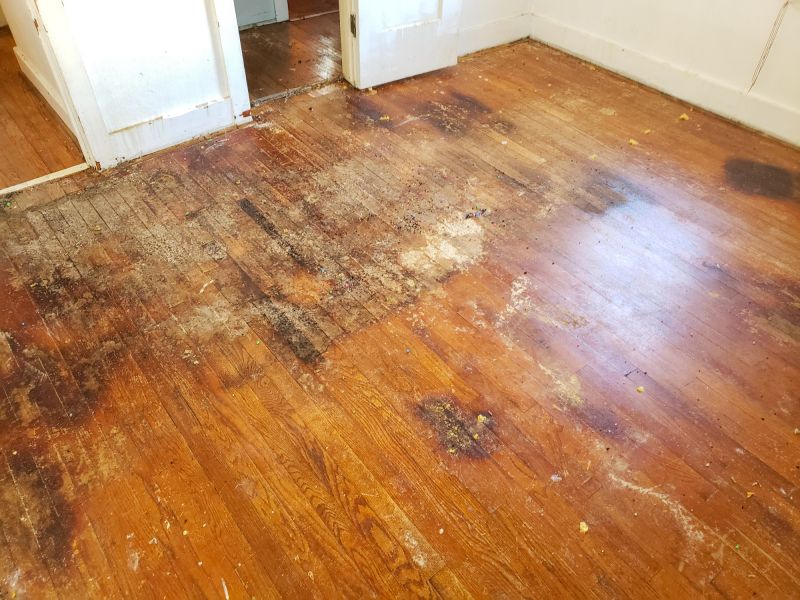
Examples that show the impact a good Wood Flooring Repairs can make.
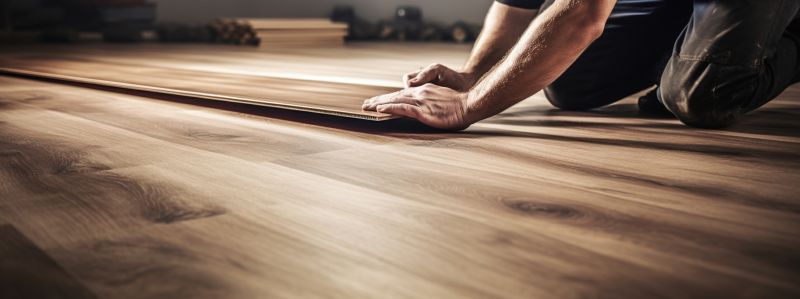
Ways to make Wood Flooring Repairs work in tight or awkward layouts.
Interested in scheduling wood flooring repairs? Filling out the contact form provides a convenient way to get started. Proper timing and professional assistance can restore the beauty and durability of wood floors effectively.